
Heated Rivalry: The Show That Changed the Conversation

CHIARA MARQUET
NEW BUSINESS & MARKETING EXECUTIVE
All of a sudden, everyone became a hockey fan. And not just for what happened on the ice.
Heated Rivalry, a show about two male hockey rivals hiding a secret relationship, arrived on Crave in November with little fanfare. Within weeks, it had become the conversation in group chats, on social media and across fan communities.
What started as a quiet release became a cultural phenomenon. It grew into Crave's most-watched original series to date, and a top-five scripted debut across the platform. The cottage gained a whole new meaning. In four months, fans produced over 20,000 pieces of original creative work. That is not an audience passively watching, that is an audience building, claiming, and extending a story far beyond the screen - exactly the kind of organic cultural energy that no media buy or sponsorship activation can manufacture.
And the sport followed...

Image by: Accent Aigu Entertainment
“The biggest moment in hockey this season didn't happen on the ice.”
Professional arenas hosting NHL games played the music from the show. Teams invited cast members to real matches. Fans wore jerseys with fictional teams and fictional names to very real games and the line between the story and the sport had quietly disappeared.
At 50 Sport we position ‘sports entertainment’ as the convergence of sport and entertainment, and what purer example is there than a television drama becoming part of a sport's cultural conversation.
The audience Heated Rivalry drew in were often queer fans who, especially queer men, had rarely seen themselves reflected in hockey. Whether or not they become lifelong fans is almost beside the point. For a moment, a sport that had told few stories like this held the attention of an audience it had never spoken to before. That kind of reach does not come from a campaign. It comes from meaning.
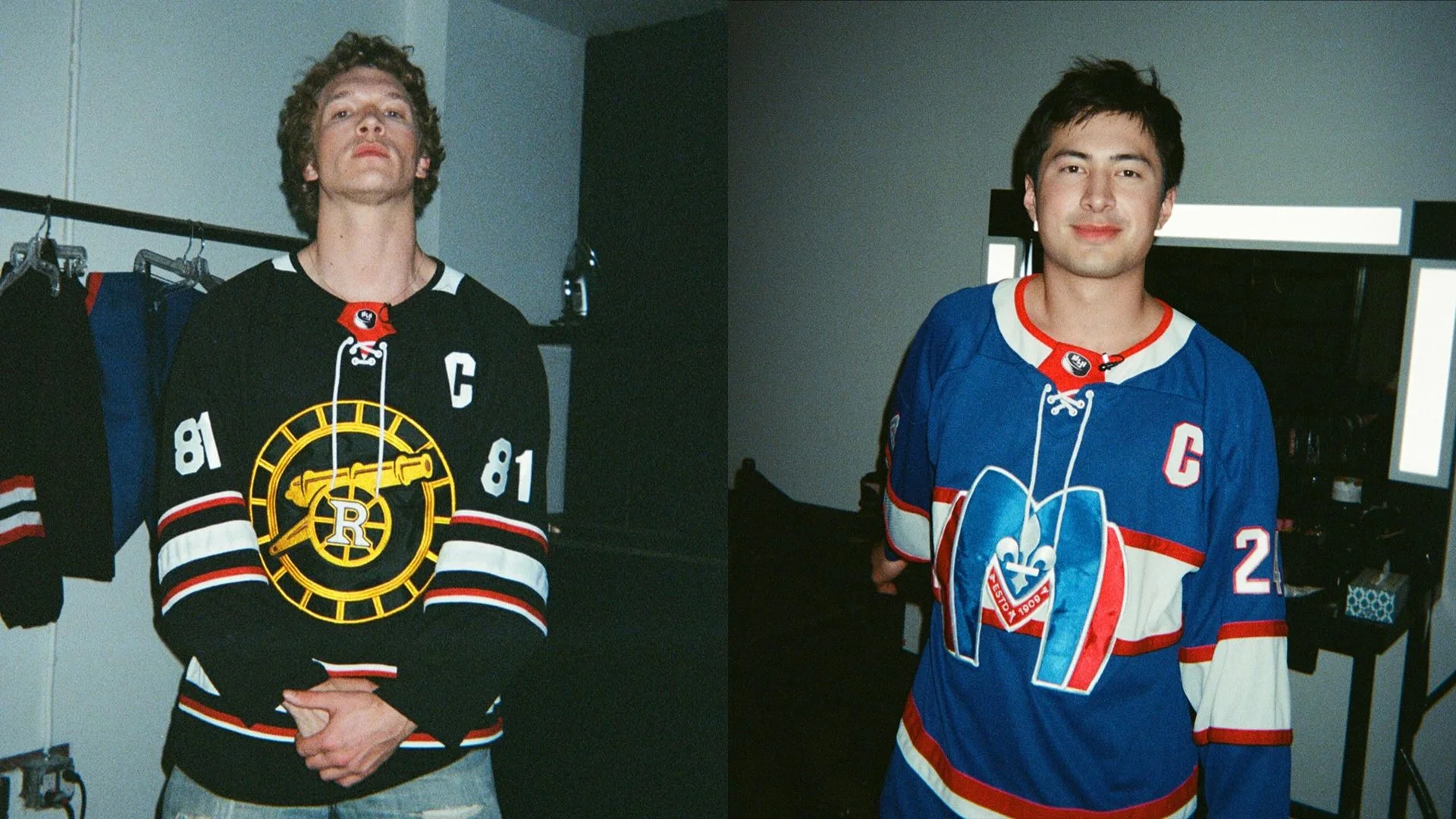
Image by: Accent Aigu Entertainment
The moment lived far beyond the final episode. It grew an audience, shifted a cultural conversation, and gave a sport new meaning, all through storytelling rather than sport itself. The value was never in the result. It was in the narrative, and in who that narrative finally made room for.
Heated Rivalry is a reminder that representation and commercial success are not opposing forces. The show mattered because it filled a gap, and its reach is proof that meaning and momentum move together. For an industry built on attention, that is both the opportunity and the responsibility.
Essentially, representation changes what feels possible.
A story like this reaches the young fan in the stands, the audience who never found a way into the sport, and possibly even a player who has not yet felt able to be themselves. Visibility, even through fiction, creates belief. And belief is how a sport grows its next generation of players, fans, and advocates. That is the part worth celebrating this Pride, not as a marketing outcome, but as a cultural one.