

ABI HOWSON
HEAD OF STRATEGY
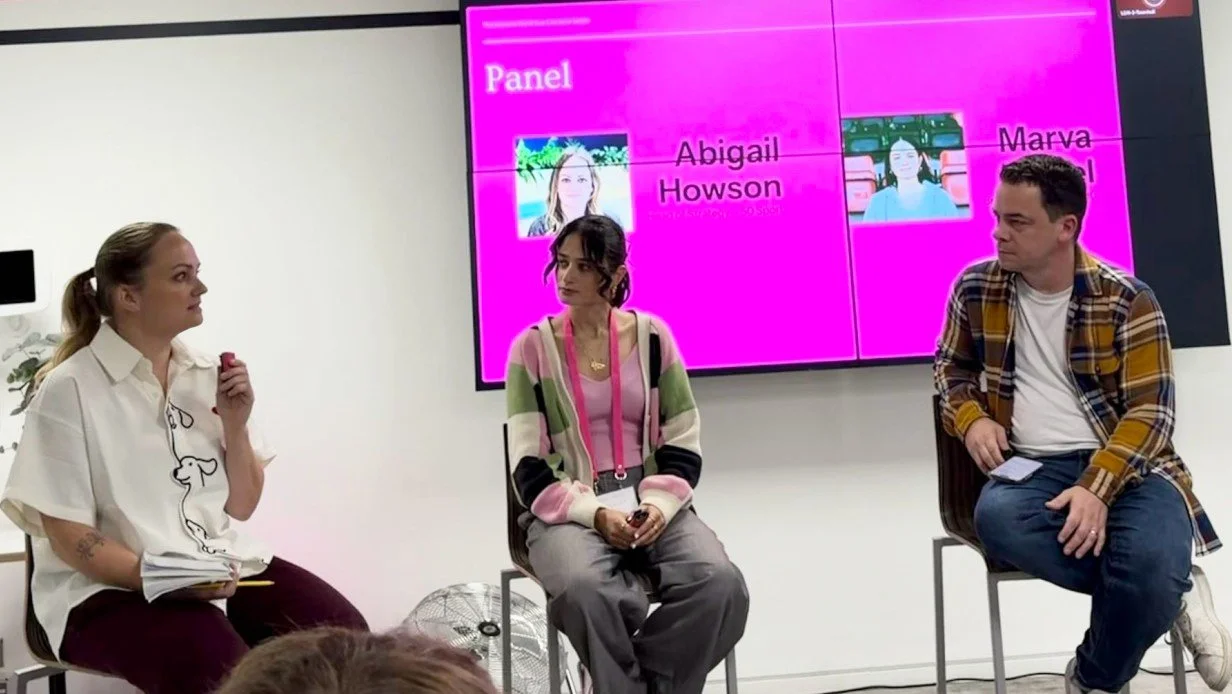
At the recent GWI panel looking ahead to the FIFA Women’s World Cup 2027, our Head of Strategy, Abi, shared key insights on how brands can build lasting resonance in women's sport.
Here are 3 core takeaways from the conversation.
“GO EPIC” SETS THE TONE.
There is a goosebumps-level confidence in FIFA’s 'Go Epic' positioning. It treats women’s football as the elite, major sporting spectacle it is, with no apologies, no qualifications, and no framing it as "just a fun family day out."
Beyond the celebration on a global stage, it mirrors a pivotal moment for women’s football landing in Brazil, a true heartland of the game. It stands as a bold statement about the journey women’s sport has been on and a reflection of its current scale. The momentum of women’s football in Brazil is a bold statement about how far the game has come and its scale today.
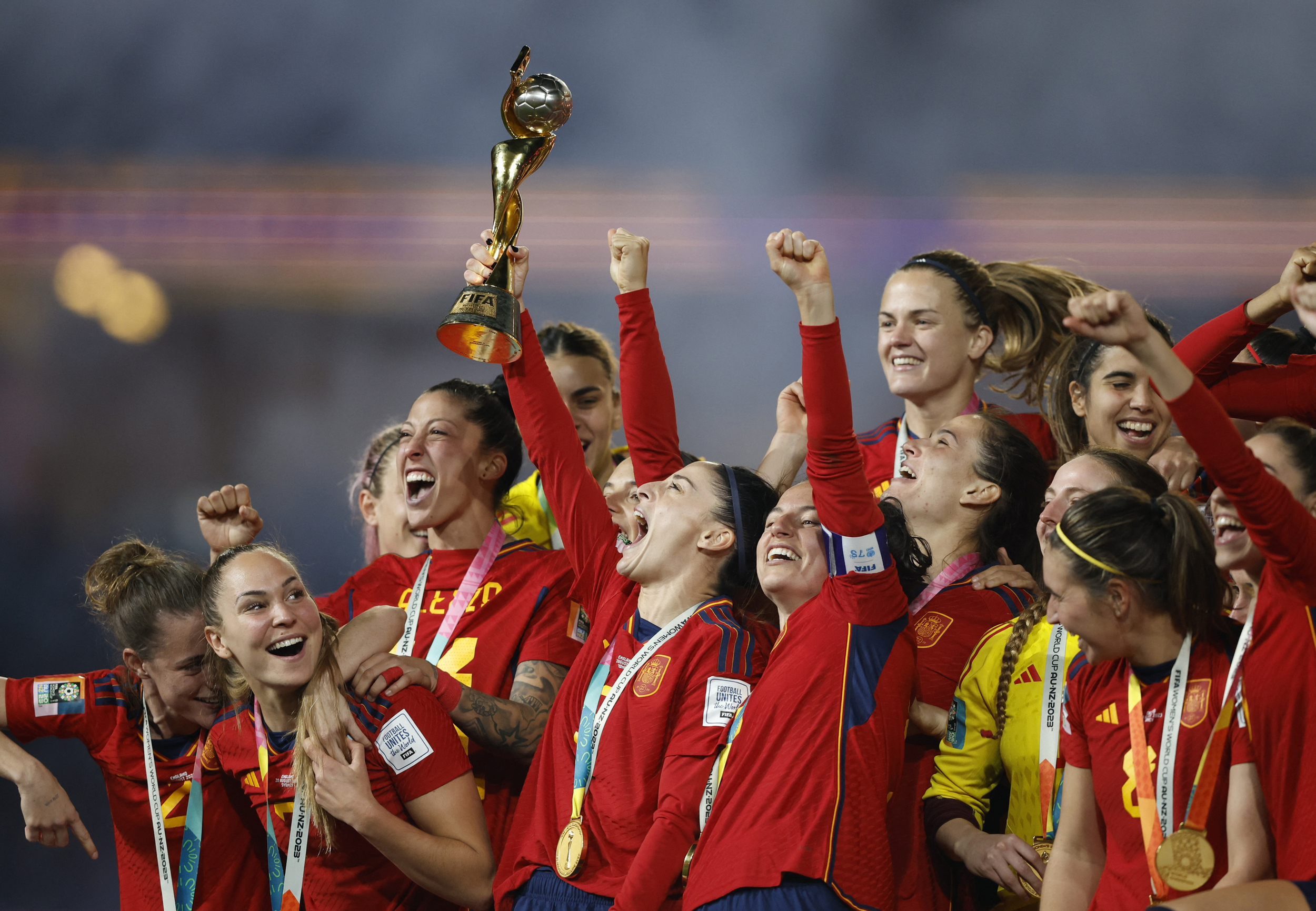
Image credit: REUTERS: Hannah Mckay
“Community isn’t necesssarily built from having lots in common. Sometimes it comes from having just one thing in common that matters enough.”
2. COMMUNITY UNLOCKS THE VALUE EXCHANGE.
People might come to women's football for completely different reasons, but we also have to talk about the commonalities.
Think about sitting next to a stranger
at a game. You can strike up a conversation,
share an opinion, celebrate a goal, or get
frustrated about a decision without knowing anything else about them. Having that one thing in common is enough to connect you for those 90 minutes in proximity. That’s the very definition of community, a commonality that brings people together.
When developing a creative platform or activation strategy, the opportunity is to find that common ground. It means understanding differing audience motivations, but then pinpointing the single thing that unites them.
If we build creative from that true understanding of community and give people something to feel part of, we find our value exchange. It allows us to engage fans and create something that speaks to the many, rather than creating something different for every individual audience segment.
“Brands shouldn’t be asking what role they want to play at the Women’s World Cup, but what role do they want to play in women’s sport?”
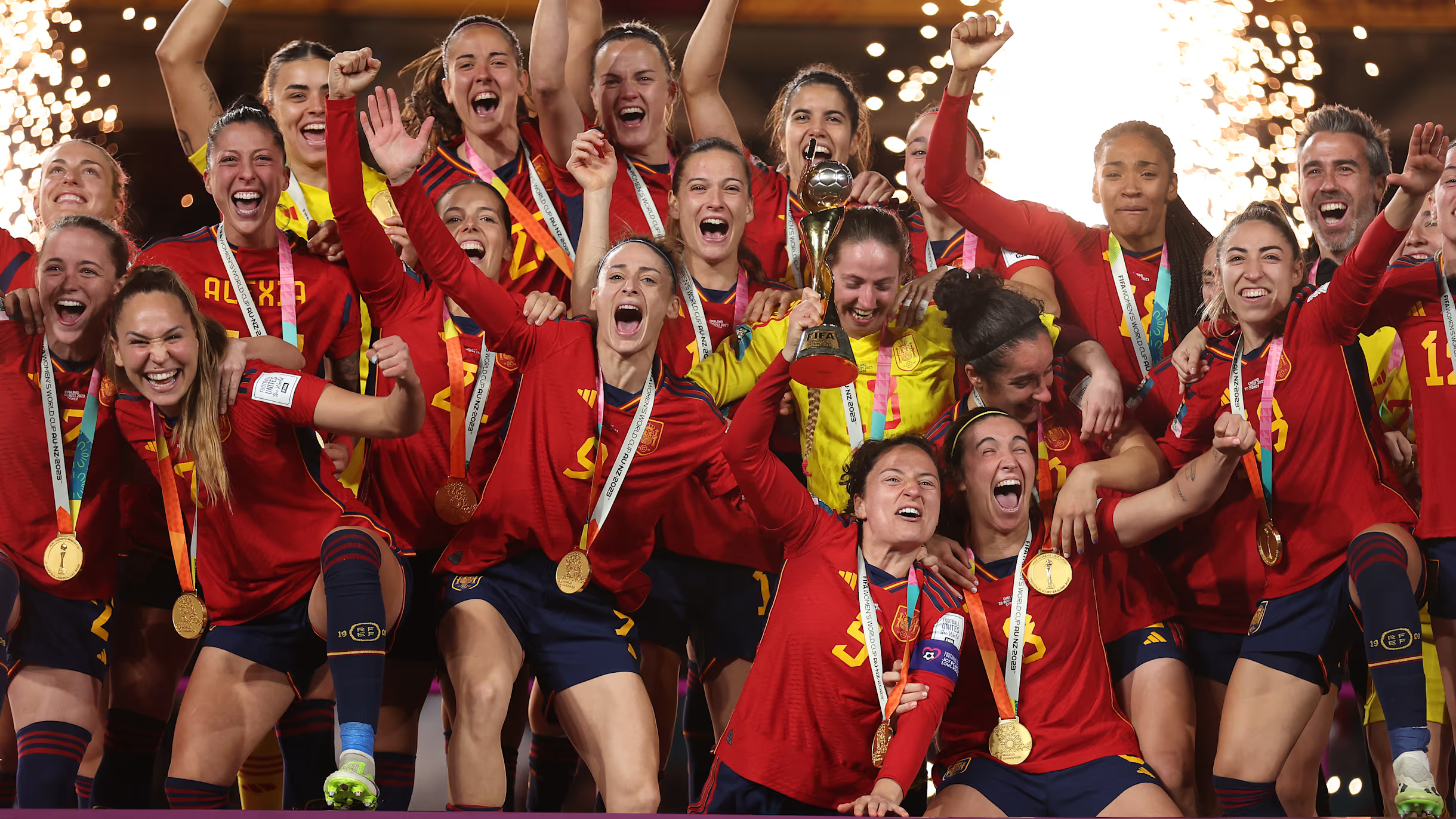
Image credit: Olympics.com
3. CLOSE THE GAP BETWEEN FANS AND SPONSORS.
One GWI finding particularly stood out from the session: 79% of very patriotic viewers correctly identified a tournament sponsor, compared with 49% of those who weren't at all patriotic.
This speaks volumes about the relationship between emotional investment and sponsor recall, signalling a broader opportunity for brand activation. When fans are deeply engaged and leaned into a sporting moment, and the gap between fans and brands is reduced, ads simply perform better.
Brands can actively reduce that gap from their side too by ensuring activations make an emotional connection through culture, participation, and community. Achieving this requires shifting measurement frameworks beyond raw reach to look at resonance, response, and critically, contribution.
Sustaining that attention makes tournament sponsorship investment work harder with a longer residual brand impact. Even more importantly, it contributes to systemic change: greater visibility for athletes, fewer peaks and troughs in conversation, stronger audiences, and more commercial investment across the game long-term.